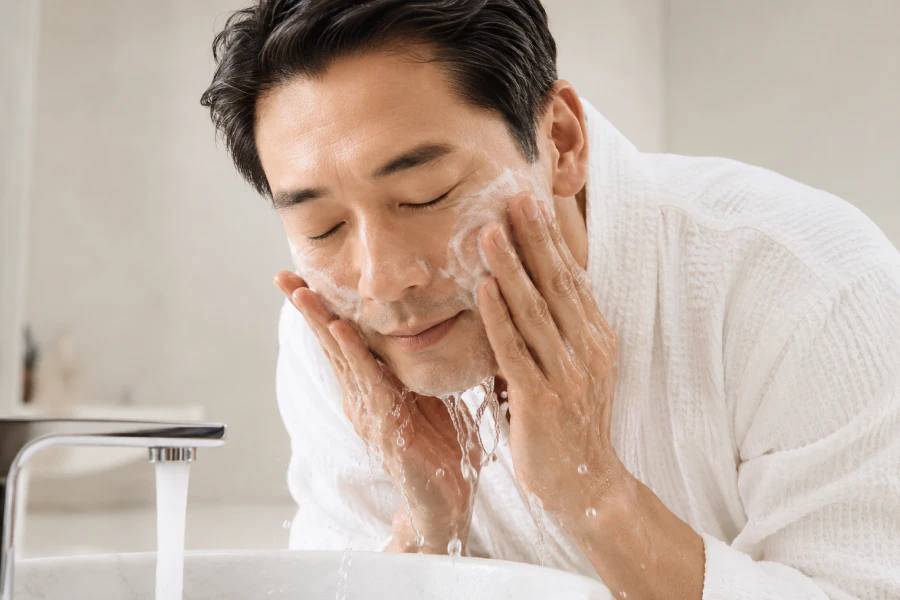
Cleansing balm for oily skin can sound wrong at first. Balm feels rich, and oily skin already feels active. Still, the right formula can remove stubborn residue with less rubbing. Sunscreen, makeup, and sebum often need a dissolving step. A balm can break them down smoothly. It should melt quickly. It should rinse cleanly. It should not leave the face coated. When used well, this step can make cleansing feel easier.
Oil-compatible textures help loosen oil-based buildup. That is why balm can work beautifully at night. The key is choosing a formula that emulsifies. Water should turn the texture milky. Then it should rinse away cleanly. This can support sebum control without aggressive pressure. Your hands glide over the skin. Makeup lifts faster. Sunscreen softens. The face feels prepared for the second cleanse.
The idea feels surprising because many people associate balm with heaviness. A good cleansing balm should behave differently from a leave-on product. It should break down residue and then leave the skin. It is not meant to sit on the face overnight. This distinction matters for oily skin. When the balm rinses clean, it becomes a removal step, not a coating step. That makes it useful for days when a regular cleanser struggles. The right balm can reduce friction and make cleansing feel calmer.
Texture decides whether a balm belongs in your routine. Scoop a small amount. Warm it between fingers. Spread it across dry skin. Notice if it drags. Add water and watch how it changes. A good balm turns loose and milky. A difficult balm stays waxy. Rinse around the jaw and hairline carefully. Your face should feel clean before the second cleanser. If residue remains, the formula may not suit you.
Patch testing can also help. Try the balm on a small area before using it everywhere. Watch for congestion, itching, or irritation over several days. Oily and breakout-prone skin can react differently to different textures. Some balms feel elegant but leave film. Others rinse beautifully. Your skin decides the outcome. Do not keep using a product because it sounds right in theory. The best test is how your face feels after repeated use.
Night use gives balm a clear purpose. The face carries layers from the day. Sunscreen may resist a single wash. Long-wear makeup may cling around pores. A barrier-friendly cleanse uses balm to reduce rubbing. Massage slowly for a short time. Add water before rinsing. Follow with a mild second cleanser. The routine should feel efficient. It should also feel calm.
Timing makes the habit easier. Use balm when the day includes sunscreen, makeup, outdoor exposure, or heavy sweat. Skip it when your face needs less. This flexible approach prevents over-cleansing. It also keeps the product useful rather than automatic. Oily skin does not need the same intensity every night. A smart routine responds to the day. Cleansing balm for oily skin works best when it solves a real removal problem. It should never feel like an unnecessary extra step.
Breakout-prone skin needs careful observation. A balm that leaves film may not work. A balm used without a second cleanse may feel too heavy. Fragrance can also create problems for some users. Patch testing helps. Short trials help more. Watch your skin the next morning. Notice new congestion near the cheeks or forehead. Switch formulas if bumps appear. Your routine should support your skin, not defend a trend.
Look at patterns instead of one isolated blemish. Skin can break out for many reasons. Hormones, stress, sweat, makeup, and sunscreen can all play roles. Still, if congestion appears repeatedly after balm use, respond. Try a lighter formula. Improve emulsification. Use less product. Rinse longer along the hairline. Then check whether the issue improves. This careful approach avoids unnecessary panic. It also helps you find a version of balm cleansing that actually suits oily skin.
The second cleanser completes the routine. It removes leftover residue and sweat. It also refreshes areas the balm loosened. A gentle face wash works better than a harsh one after balm. You already did the heavy removal. The second step should be brief. Use lukewarm water. Avoid scrubbing tools. Pat dry softly. Cleansing balm for oily skin works best when both steps stay balanced.
Many people overdo the second step because they fear residue. That fear is understandable. However, a strong cleanser after balm can undo the benefit. The goal is not to punish the skin after softening buildup. The goal is to finish cleanly. Choose a mild gel or soft foam. Cleanse for a short time. Rinse well. Then notice how your face feels. If it feels flexible and fresh, the pairing is working. If it feels tight, the second cleanser may need adjusting.
A smart balm can make the entire evening routine more pleasant. You stop pulling at the skin. You spend less time fighting sunscreen. You give your cleanser a cleaner surface to finish. That can make pores look less congested over time. It can also make skincare apply more evenly. Use balm when the day demands it. Skip it when your face needs less. Flexible use keeps the habit sustainable. Oily skin often responds well to consistency with restraint.
The biggest benefit may be comfort. Cleansing should not feel like a nightly battle against your face. When the first step melts buildup, the routine feels smoother. You need less pressure and less repetition. This can be especially helpful around the nose, jaw, and eye area. The skin may look calmer because it receives less friction. Cleansing balm for oily skin is not about adding richness. It is about removing stubborn layers in a smarter way.




Leave a comment