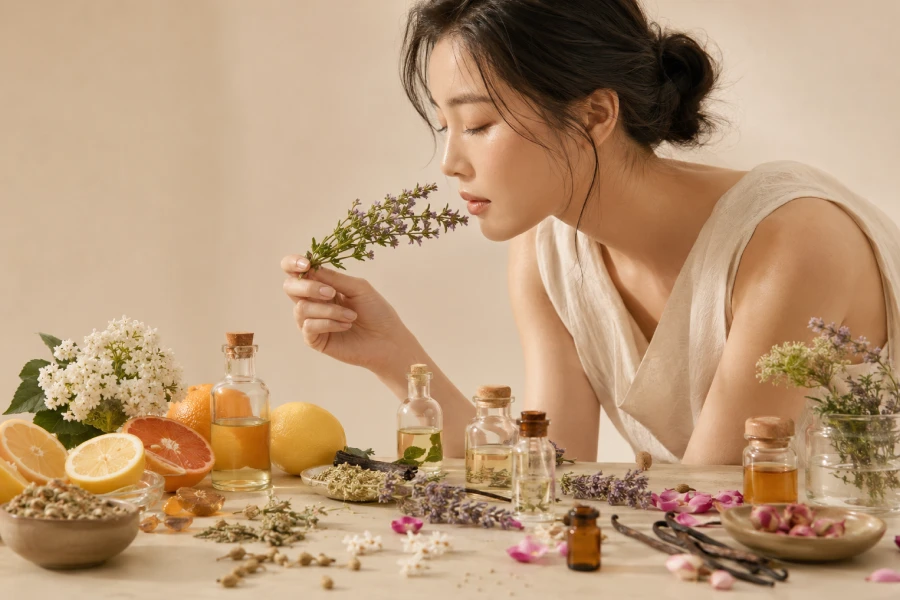
Homemade perfume for beginners should feel inviting, not intimidating. You do not need advanced equipment or a complicated studio. You need a few clean tools, thoughtful notes, and patience. The first bottle may be simple. It can still feel beautiful. A beginner blend teaches your nose what it likes. It also teaches you what feels too strong. Every trial creates useful information. That makes progress feel visible. Scent becomes less mysterious when you build it one decision at a time.
Simple materials help you learn faster. Too many bottles create confusion. Three to five ingredients give you enough range. They also keep the formula manageable. A small custom fragrance routine makes each test easier to understand. Citrus can add brightness. Lavender can calm the heart. Benzoin can create warmth. The choices feel clear. That clarity keeps the hobby enjoyable.
A simple start also protects your budget. Many beginners buy ingredients before knowing their preferences. That can lead to a crowded shelf and very little progress. A smaller kit encourages repeat testing. You smell the same materials in different combinations. You learn how one drop can shift a formula. This creates skill faster than constant shopping. Beginners do not need rare ingredients first. They need familiar materials they can understand. Confidence grows when the process feels manageable.
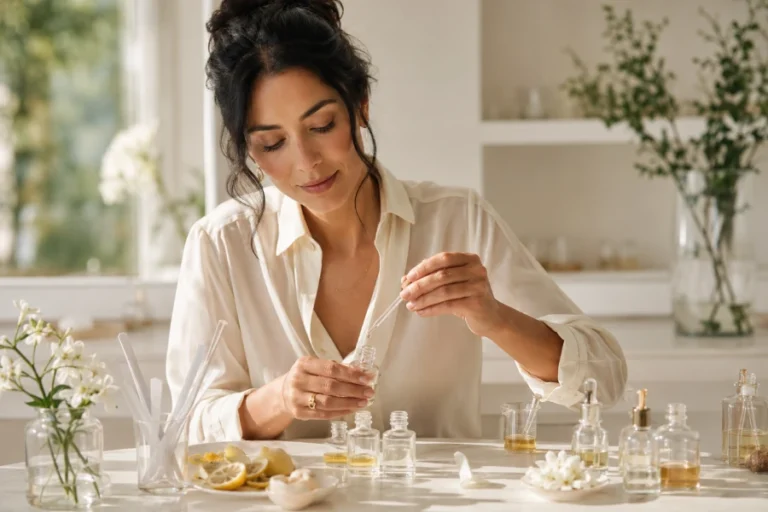
Your first setup should support accuracy and ease. Use clean glass bottles. Keep a small funnel nearby. Store blotter strips in a dry place. Use pipettes or droppers for tiny measurements. Label every test immediately. Keep ingredients away from direct sunlight. Work on a clear surface. Wipe spills quickly. A tidy workspace makes the process feel calm. Better organization also helps you trust your results.
Clean tools also protect the scent itself. Old residue can change a new blend. Dust can affect bottles and caps. Mixed droppers can transfer one ingredient into another. These small mistakes create confusing results. Keep each material separate. Use fresh strips for every test. Wash reusable tools thoroughly. Let them dry completely before using them again. This careful setup may seem basic, but it prevents many beginner frustrations. Good habits make the creative part easier.
A first formula can follow a simple structure. Choose one opening note. Add one middle note. Finish with one lasting note. This makes fragrance testing strips especially useful. Try each note alone first. Then smell them in pairs. Finally, test the full trio together. Let the strip sit before judging. The scent will change. That change is part of the lesson.
Your first formula does not need to smell complex. It only needs to teach you something. A bright opening may fade too quickly. A floral middle may need more support. A base note may overpower everything else. Each result gives you direction. Adjust slowly and record each change. Avoid fixing five things at once. One careful change teaches more than a complete restart. This approach helps homemade perfume for beginners feel like a skill, not a guessing game.
The base changes how perfume feels on the body. Alcohol gives a traditional spray effect. Oil keeps the scent closer to the skin. A balm format feels quiet and portable. Each choice affects projection. Each also affects texture. Your lifestyle should guide the format. A daily scent should feel easy. An occasional scent can feel more dramatic. Comfort decides whether you will actually wear the blend.
Oil-based formulas often feel gentle and intimate. Alcohol-based formulas can feel brighter and more diffusive. A solid format works well for subtle touch-ups. Each option has a different personality. Test the same formula in different bases when possible. You may prefer one version over another. The base can make citrus feel sharper or woods feel smoother. It can also change how long the scent lasts. Choosing the right format makes the perfume easier to enjoy every day.
Written notes turn experiments into progress. Record every ingredient and amount. Describe the first smell honestly. Then describe the drydown later. Mention anything that feels sharp, dull, sweet, or heavy. This creates a useful map. A home perfumery method becomes easier when you can compare versions. You avoid repeating the same mistake. You also learn your preferences faster. That confidence makes blending more relaxed.
Notes should include emotional language too. A blend may smell clean but feel too formal. Another may smell soft but feel too sweet. These reactions help define your style. They also explain why technically balanced formulas sometimes feel wrong. Fragrance is worn close to the body, so mood matters. Your notes can mention weather, time of day, and skin impression. Over time, those details reveal patterns. The journal becomes your personal scent library. It gives your learning process structure.
Practice turns small experiments into personal style. You may start reaching for green notes. You may prefer soft woods. You may discover that sweet notes need dryness. These patterns become your scent identity. Homemade perfume for beginners can grow into a meaningful creative routine. A daytime blend might feel bright and clean. A quiet evening blend may feel smooth and warm. Friends may notice the difference. The best result is a scent that feels unmistakably yours.
Personal scent does not have to stay the same forever. Your preferences may shift with seasons, clothes, or routines. A summer blend may feel sheer and sparkling. A winter blend may feel deeper and more comforting. This flexibility keeps the hobby interesting. It also keeps your fragrance wardrobe intentional. Instead of collecting random bottles, you create scents with purpose. The process becomes part creativity and part self-knowledge. That is why a simple beginner project can become a lasting ritual.

Leave a comment